


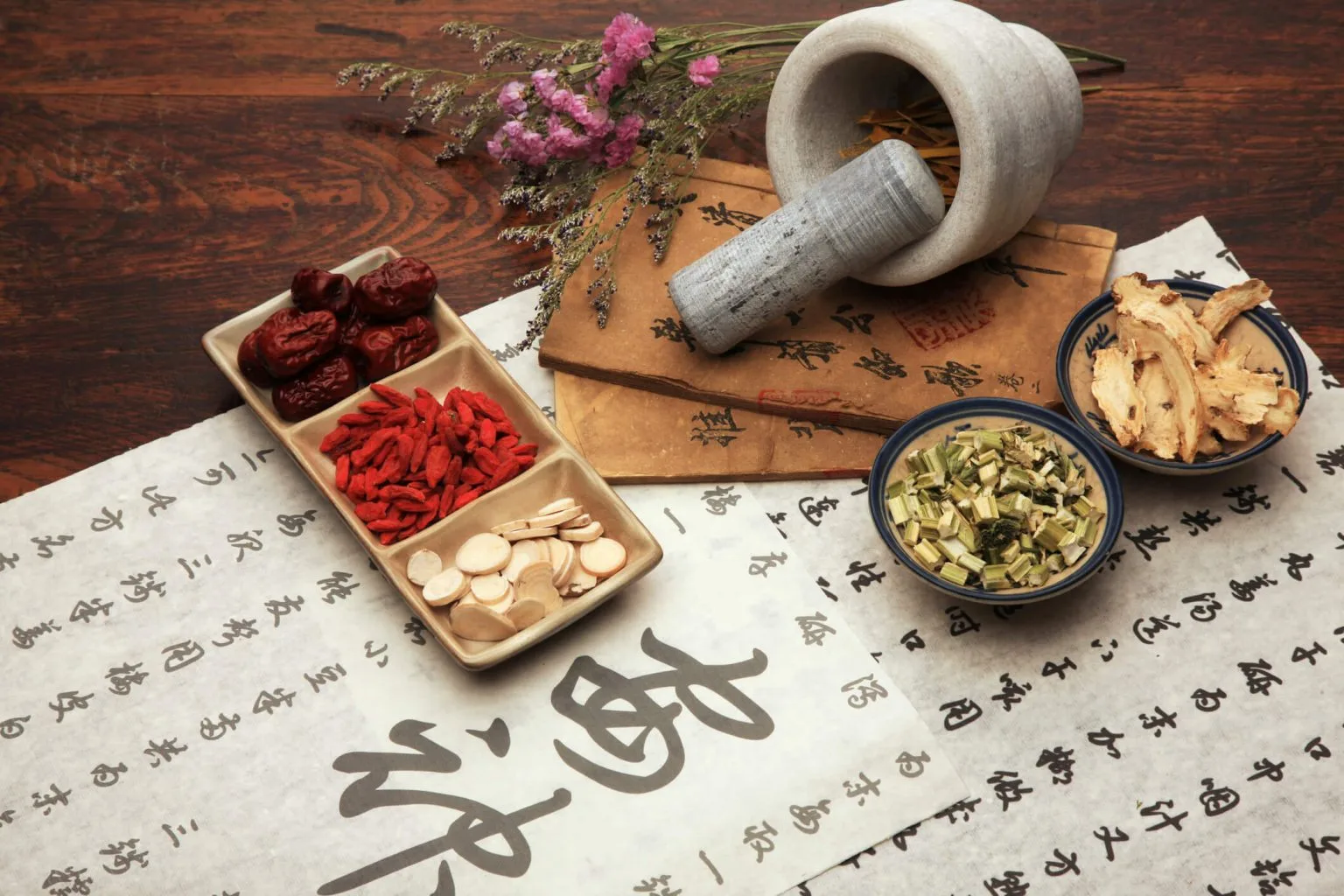
Traditional Chinese Medicine (TCM) has been used for thousands of years as a whole-person approach to health, focused on restoring balance and resilience. Lately, more people and clinicians are exploring how TCM can work alongside modern medicine—especially for concerns like weight management, diabetes care, and healthy aging. This article outlines how TCM and contemporary medical care can complement each other, explains core principles of integrative medicine, and shows how virtual visits make these options easier to access. With a clearer view of how TCM and modern medicine interact, you can make more informed choices about your health and wellness.
Integrative medicine blends conventional Western care with complementary therapies—like Traditional Chinese Medicine—so treatment addresses the whole person: body, mind, and lifestyle, not just isolated symptoms. TCM adds therapeutic options that can enhance symptom relief, support recovery, and improve patient experience when used thoughtfully alongside Western treatments.
At its core, Traditional Chinese Medicine combines a long history of clinical practice with a philosophical framework for understanding health and imbalance.
Integrating TCM & Western Medicine: A Holistic Approach
Traditional Chinese Medicine (TCM) is one of the world’s oldest medical systems, with a history spanning thousands of years. It is grounded in the idea that humans are part of nature and that health reflects a dynamic balance. TCM concepts include yin and yang, the Five Elements, zang-fu, channels and collaterals, qi, blood, body fluids, diagnostic methods, and syndrome differentiation. Two central features of TCM are its holistic outlook and treatment tailored to specific syndrome patterns.
The integration of traditional Chinese medicine and Western medicine, 2003
TCM and modern medicine often start from different assumptions. TCM emphasizes restoring balanced energy (Qi) and treating the person’s overall pattern of imbalance, using acupuncture, herbal formulas, dietary guidance, and movement therapies. Modern medicine typically targets specific biological processes and disease mechanisms with diagnostics and pharmaceuticals. Each approach brings distinct strengths; used together they can create a more complete care plan for many patients.
Combining TCM with Western care can provide several advantages:
Beyond individual benefit, this type of collaboration supports a more coordinated and patient-centered healthcare experience.
TCM can complement medications like GLP‑1 agonists by supporting digestion, appetite regulation, and overall resilience. Practical habits from TCM—such as drinking warm water or herbal teas to aid digestion—may help people tolerate and benefit from GLP‑1 therapy. As Healthy Living Clinic clinicians note, “Combining mindful TCM practices with modern medications can create a balanced, synergistic approach to chronic disease management.” Still, safety is paramount: herbs can interact with drugs, so patients should always coordinate care with their prescribing clinician and a qualified TCM practitioner.
TCM supports weight loss and diabetes care by addressing lifestyle patterns and physiological imbalances that contribute to these conditions. Through dietary advice, acupuncture, herbal medicine, and movement practices, TCM offers supportive strategies that can complement standard medical treatments and help patients meet their health goals.
For chronic conditions like type 2 diabetes, TCM’s broad, systems-focused approach is often appealing as part of a long-term management plan.
TCM’s Holistic Approach to Diabetes Management
Traditional Chinese Medicine (TCM) is increasingly considered by Western healthcare systems because of its comprehensive, holistic methods for managing patients with type 2 diabetes.
Alternative therapies for diabetes: a comparison of western and traditional Chinese medicine (TCM) approaches, 2018
Commonly used TCM herbs and therapies that may support weight and blood sugar goals include:
| Herbal Remedy | Purpose | Benefits |
|---|---|---|
| Hawthorn Berry | Supports digestion | May improve metabolic function and help reduce fat build-up |
| Bitter Melon | Helps regulate blood sugar | May improve insulin sensitivity and lower blood glucose |
| Ginseng | Boosts energy and resilience | May support metabolism and weight-management efforts |
These remedies can be part of an integrative plan with conventional therapies, but clinical evidence varies—so they should be used thoughtfully and under professional supervision.
TCM contributes to anti-aging by focusing on preserving vitality, preventing decline, and supporting recovery as we age. Paired with modern preventive care and therapies, TCM strategies aim to maintain function and quality of life over the long term.
Traditional practices and botanicals often recommended for longevity include:
Integrating these practices with modern anti-aging care may enhance energy, immune function, and wellbeing.
Integrative medicine looks beyond symptoms to the lifestyle, metabolic, and emotional drivers of aging. By assessing diet, movement, sleep, stress, and other root factors, practitioners can build personalized plans that aim for sustainable improvements rather than short-term fixes.
Emerging studies report promising, though preliminary, results for TCM in areas like weight control, glucose management, and markers of healthy aging. Some trials suggest added benefit when herbs or TCM therapies are combined with standard diabetes care, but larger, rigorous studies are still needed to confirm and refine these findings.
Skilled practitioners reduce risk by reviewing medications, monitoring labs, and selecting herbs with a clear safety profile. Ongoing education, interprofessional communication, and a cautious approach to dosing and timing help ensure that integrative plans are both safe and effective.
Patients get the most from integrative care by sharing full medical histories, communicating openly with all providers, and committing to lifestyle changes that support treatment goals. Active collaboration helps create consistent, realistic plans.
These lifestyle steps can substantially improve outcomes when paired with conventional medical care.
To avoid unwanted interactions, always tell your healthcare team about herbs and supplements you’re taking. Qualified providers can advise on safe dosages, timing, and monitoring so that herbal and pharmaceutical therapies work together safely and effectively.
Before integrating Traditional Chinese Medicine (TCM) with your current medications, it’s crucial to consult with both your healthcare provider and a qualified TCM practitioner. Discuss your complete medical history, including all medications and supplements you are taking. This ensures that any potential interactions are identified and managed. Additionally, understanding the specific TCM therapies you are considering can help tailor a safe and effective integrative approach that complements your existing treatment plan.
To find a qualified TCM practitioner, start by checking for credentials such as a degree in Traditional Chinese Medicine or acupuncture from an accredited institution. Look for practitioners who are licensed and certified by relevant professional organizations. Online directories, local health clinics, and recommendations from healthcare providers can also be valuable resources. It’s important to schedule a consultation to discuss your health goals and ensure that the practitioner’s approach aligns with your needs.
While combining TCM and Western medicine can offer benefits, there are potential risks, including herb-drug interactions and the possibility of conflicting treatment philosophies. Some herbs may affect the metabolism of pharmaceuticals, leading to altered effectiveness or increased side effects. To mitigate these risks, always communicate openly with your healthcare providers about all treatments you are using, and ensure that both TCM and Western practitioners are aware of your complete health plan.
The time it takes to see results from TCM treatments can vary widely depending on individual health conditions, the specific therapies used, and the severity of the issues being addressed. Some patients may notice improvements within a few sessions, while others may require several weeks or months of consistent treatment. It’s essential to maintain open communication with your TCM practitioner to set realistic expectations and adjust treatment plans as needed for optimal results.
Yes, TCM is often utilized for preventive health care, focusing on maintaining balance and harmony within the body to prevent illness. Practices such as acupuncture, herbal medicine, and dietary recommendations can help strengthen the immune system, enhance vitality, and promote overall well-being. By addressing lifestyle factors and potential imbalances before they manifest as health issues, TCM can play a significant role in a proactive approach to health maintenance.
TCM emphasizes a holistic approach to wellness, recommending lifestyle changes that include a balanced diet rich in whole foods, regular physical activity such as tai chi or yoga, and stress management techniques like meditation. Additionally, TCM encourages maintaining a consistent sleep schedule and staying hydrated. These practices not only support physical health but also enhance mental and emotional well-being, contributing to a more balanced and resilient lifestyle.