


At the Healthy Living Clinic, we know that dealing with GLP-1 side effects can be tough. But with the right steps, you can feel better and stick with your treatment. This guide will help you understand common side effects and how to manage them, especially for GLP-1 medicines.

GLP-1 medicines often cause stomach problems like nausea because they slow down how fast food leaves your stomach. They also affect your hunger signals. Knowing this helps us understand why changing what you eat, when you take your medicine, and how slowly you increase the dose can help a lot.
The Healthy Living Clinic suggests starting with a low dose and slowly increasing it. Eating small, low-fat meals, drinking plenty of water, and using simple helpers like ginger can also make a big difference. Sometimes, taking very small doses (microdosing) of GLP-1 medicines can also lead to fewer side effects while still helping you reach your health goals.
Below, we’ll talk about the most common GLP-1 side effects and simple ways to feel better.
The most common side effects of GLP-1 medicines include feeling sick to your stomach (nausea), throwing up, diarrhea, constipation, and sometimes redness where you inject the medicine. Serious problems like severe stomach pain are rare but need a doctor’s check right away.
Nausea is the most common issue, especially when you first start or increase your dose. Diarrhea and constipation happen because the medicine changes how your gut moves. Redness at the injection site is usually mild and goes away on its own.
How bad these side effects are can differ between medicines like semaglutide, tirzepatide, and liraglutide. It’s important to watch your symptoms and work with your doctor to find the right dose for you. Knowing when symptoms are normal and when they might mean something serious (like very bad stomach pain) helps you decide if you need to keep taking the medicine, change the dose, or stop.
Eating small, frequent meals that are low in fat and have some protein can help reduce nausea. This is because fat slows down your stomach even more, adding to the GLP-1 effect. Try to eat bland foods like plain rice or toast, and avoid alcohol or greasy foods for a few hours after taking your medicine. Ginger and peppermint can also help with nausea.
Simple habits can also make a difference: stay upright after eating, eat slowly, and avoid hard exercise right after your dose. If nausea is really bad, your doctor might suggest anti-nausea medicine or a slower dose increase. The Healthy Living Clinic helps you make these choices to balance feeling better with reaching your health goals.
This table compares common GLP-1 medicines, their side effects, and tips for managing them:
| GLP-1 Medicine | Common Side Effects | Tips for Feeling Better |
|---|---|---|
| Semaglutide | Nausea, throwing up, diarrhea, constipation, injection site reactions | Start with a low dose and increase slowly; eat small, low-fat meals; try ginger; drink plenty of water |
| Tirzepatide | Nausea, diarrhea, less hunger, sometimes stomach discomfort | Increase dose slowly; hold dose if nausea is severe; adjust meals; use anti-nausea medicine if needed |
| Liraglutide | Nausea, throwing up, diarrhea, injection site reactions | Daily dose increases may reduce early nausea; get advice on what to eat |
Simple changes in what you eat and how you live can help a lot. Small, bland meals and drinking water help with stomach issues. Good sleep and less caffeine can reduce headaches. Gentle activity can fight tiredness without making symptoms worse.
For nausea and throwing up, try clear liquids, drinks with electrolytes, and small, frequent meals. For constipation, slowly add fiber to your diet, drink water, and move around gently. Taking medicines with food (if advised), avoiding foods that react with your medicine, and taking sleepy medicines at night can also help you feel better during the day and stick to your plan. These daily habits reduce how bad symptoms feel and make it easier to keep taking your medicine.
Here are common over-the-counter helpers for symptoms, with advice from the Healthy Living Clinic on when to talk to a doctor:
Use these OTC helpers wisely. Always check for problems with your other medicines. If symptoms don’t go away in a few days or get worse, call your doctor or pharmacist.
This table from the Healthy Living Clinic shows common side effects, why they happen, and what you can do:
| Symptom | Why It Happens | What to Do (Food, OTC, Lifestyle) |
|---|---|---|
| Nausea | Food leaves stomach slowly or brain signals | Small, low-fat meals, ginger, anti-nausea medicine (after doctor’s OK) |
| Diarrhea | Changes in gut movement | Drink water, eat bland foods (like bananas, rice, applesauce, toast), ask about probiotics |
| Constipation | Slow gut movement | Fiber supplements, drink more water, move more |
| Headache | Dehydration or medicine effects | Drink water, get good sleep, acetaminophen for a short time |
It’s important to know when to get help. Learn the “red flag” symptoms that mean you need emergency care, when to call your doctor, and how to keep track of side effects. The Healthy Living Clinic wants you to know that if you have signs of a very bad reaction, like trouble breathing, severe pain, or confusion, you need urgent medical help.
For ongoing but not life-threatening problems that affect your daily life—like constant severe nausea, throwing up a lot, or losing weight without trying—call your doctor. They can talk about changing your dose, pausing the medicine, or trying something else. The next parts give a quick emergency checklist and tips for talking to your healthcare team.
Get emergency help right away if you have: trouble breathing, swelling in your throat, severe chest pain, sudden severe stomach pain (could be serious), high fever with a rash, or new problems like weakness or confusion. These are signs of very serious reactions. If it’s safe, stop the medicine and call for emergency help.
Other urgent signs include a lot of bleeding, yellow skin (jaundice), or quickly worsening shortness of breath. Knowing these signs and acting fast can prevent bigger problems. After any urgent issue, you and your doctor should write down what happened for future safety checks.
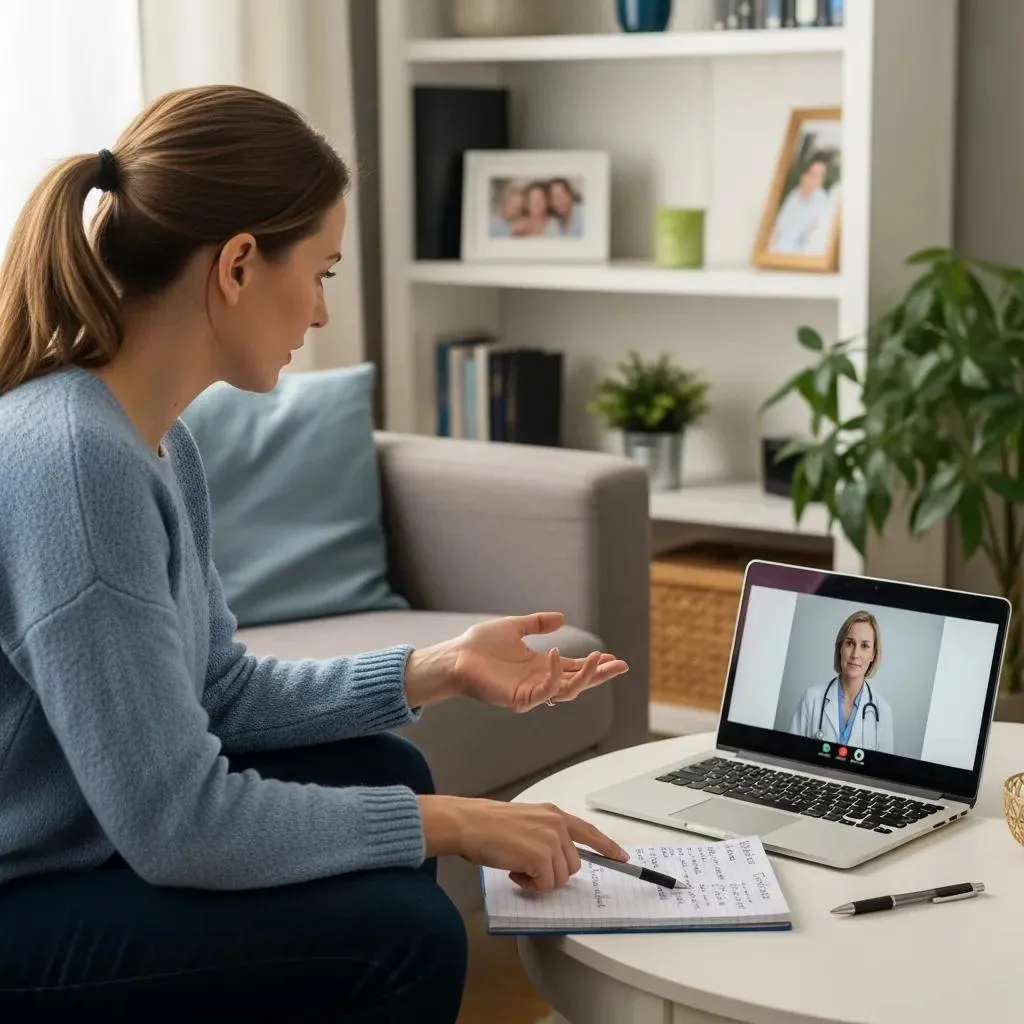
When you talk to your doctor, be clear. Tell them the medicine name, dose, when you started it, exactly what your symptoms are, when they happen (after taking the medicine?), how bad they are, what makes them better or worse, and any other medicines or supplements you’re taking.
Bring a list of all your medicines and a short timeline of your symptoms to your appointment. You can even bring photos of rashes if you have them. Ask clear questions like, “Is this side effect normal? Should we change the dose or stop the medicine?” Also, ask about safe ways to treat symptoms for a short time and what the next steps are. Write down the plan and schedule a follow-up if symptoms continue. This helps you and your doctor make the best choices.
Preventing side effects starts with a careful look at all your medicines, talking with your doctor about the good and bad points, and planning how to start and increase your dose. Before you even begin a new medicine, check all your prescription and over-the-counter products, look for food interactions, and check your kidney and liver health. This helps avoid problems.
The Healthy Living Clinic emphasizes that taking your medicine correctly and following a slow dose increase plan can prevent many early problems. We’ll explain how these steps help and give tips for avoiding bad medicine mixes.
Taking your medicine as prescribed and slowly increasing the dose helps your body get used to it. It also stops too much medicine from building up at once, which can make side effects worse. For GLP-1 medicines, starting with a low dose and increasing it slowly helps your body adjust, especially with nausea.
Ways to take your medicine correctly, like using pill organizers or reminder apps, reduce the chance of missing or taking double doses, which can cause symptoms. Talking about a clear dose schedule and what to do if problems arise with your doctor before you start helps you feel more confident and less likely to stop the medicine too soon.
Personalized care means looking at your unique body and needs. This includes working with a team of doctors, getting support for your habits, and making lifestyle changes. This helps find, prevent, and manage side effects better.
Support like nutrition advice, ways to cope with symptoms, and regular check-ups (even by phone or video) can make symptoms feel less bad and help you stick to your treatment. The Healthy Living Clinic combines these supports with medical care to help you feel your best.
Holistic strategies mean looking at your whole self. Things like stress relief, good sleep habits, healthy eating, and counseling can help you deal with side effects. They can make symptoms feel less intense, make you stronger, and help your body recover.
Practices like mindfulness for stress, short-term therapy for worries about your illness, and planned exercise can reduce nausea, improve sleep, and help you cope with ongoing side effects. Support from family and friends, plus easy access to check-ups, can reduce feelings of loneliness and allow for earlier help if symptoms get worse. The Healthy Living Clinic believes that adding these supports to your medical plan helps you tolerate treatment better and stick with it for the long run.
These lists from the Healthy Living Clinic give you and your doctor clear steps to prevent, watch for, and handle medicine side effects better.
The Healthy Living Clinic knows that understanding how medicines work, carefully increasing doses, and getting good support leads to the best results. By matching how medicines work to what you do and using careful medicine checks, we can prevent many problems and act fast when they happen.